 rotary jointsrotary joints
Search the whole station
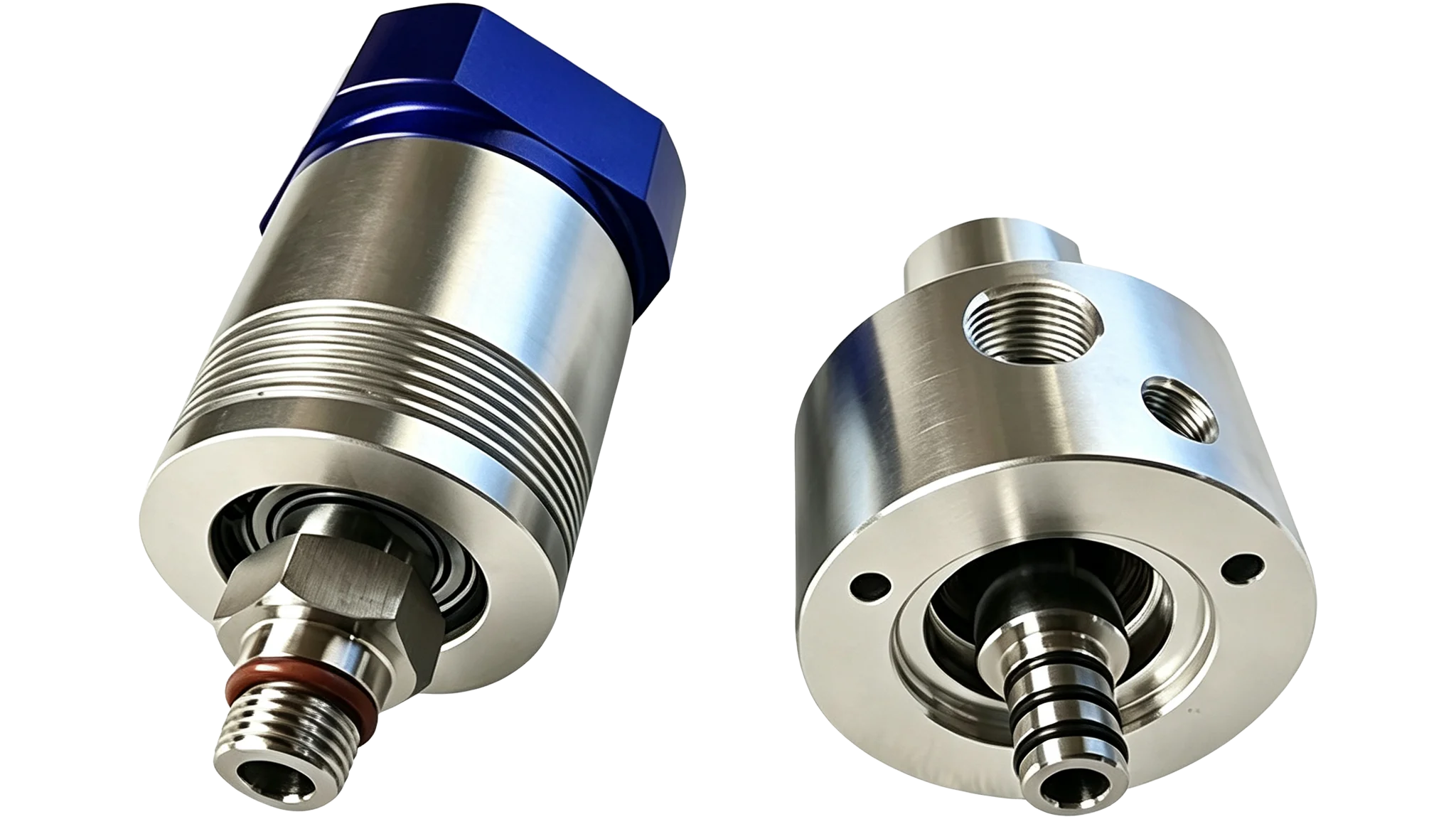
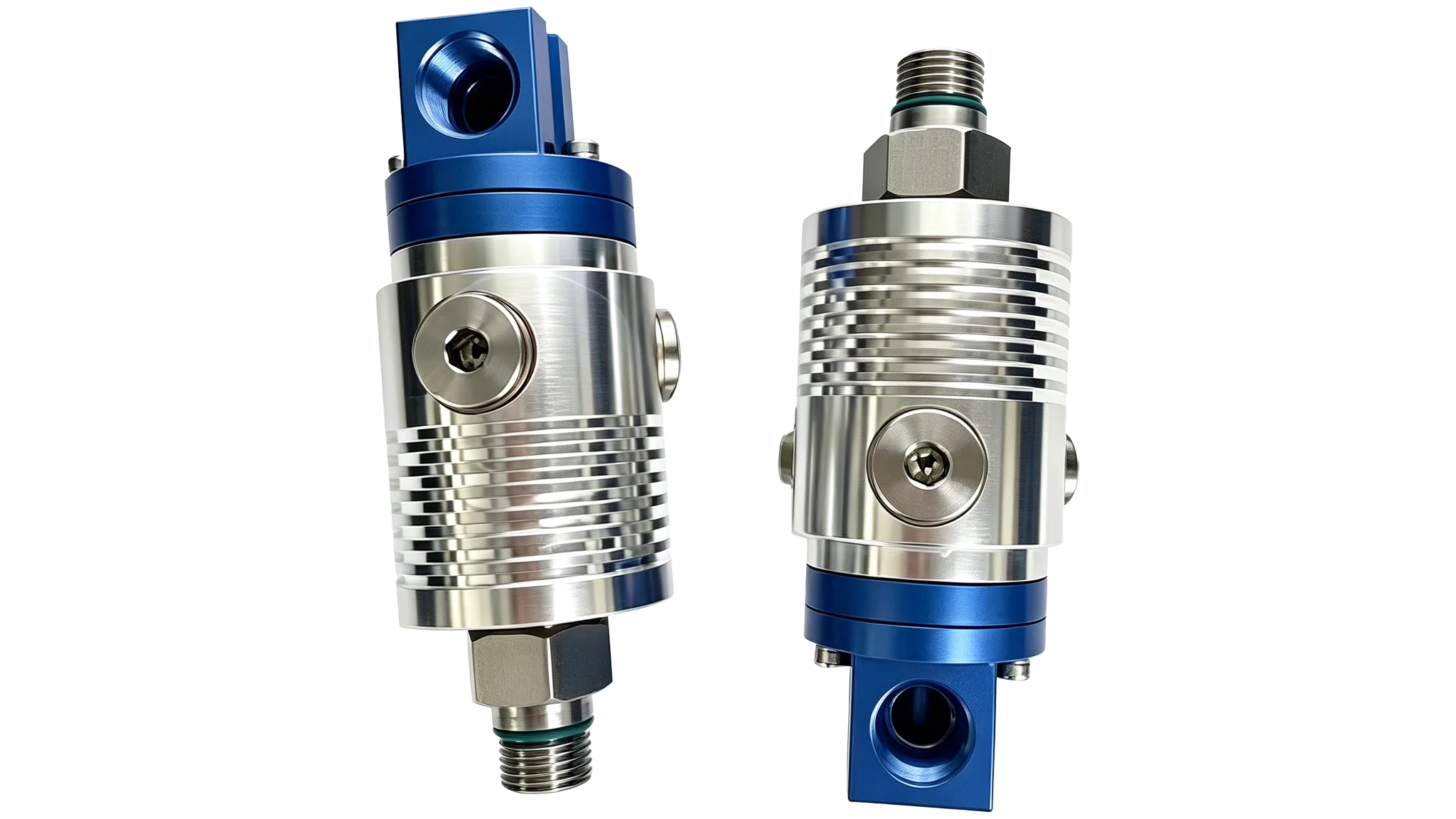
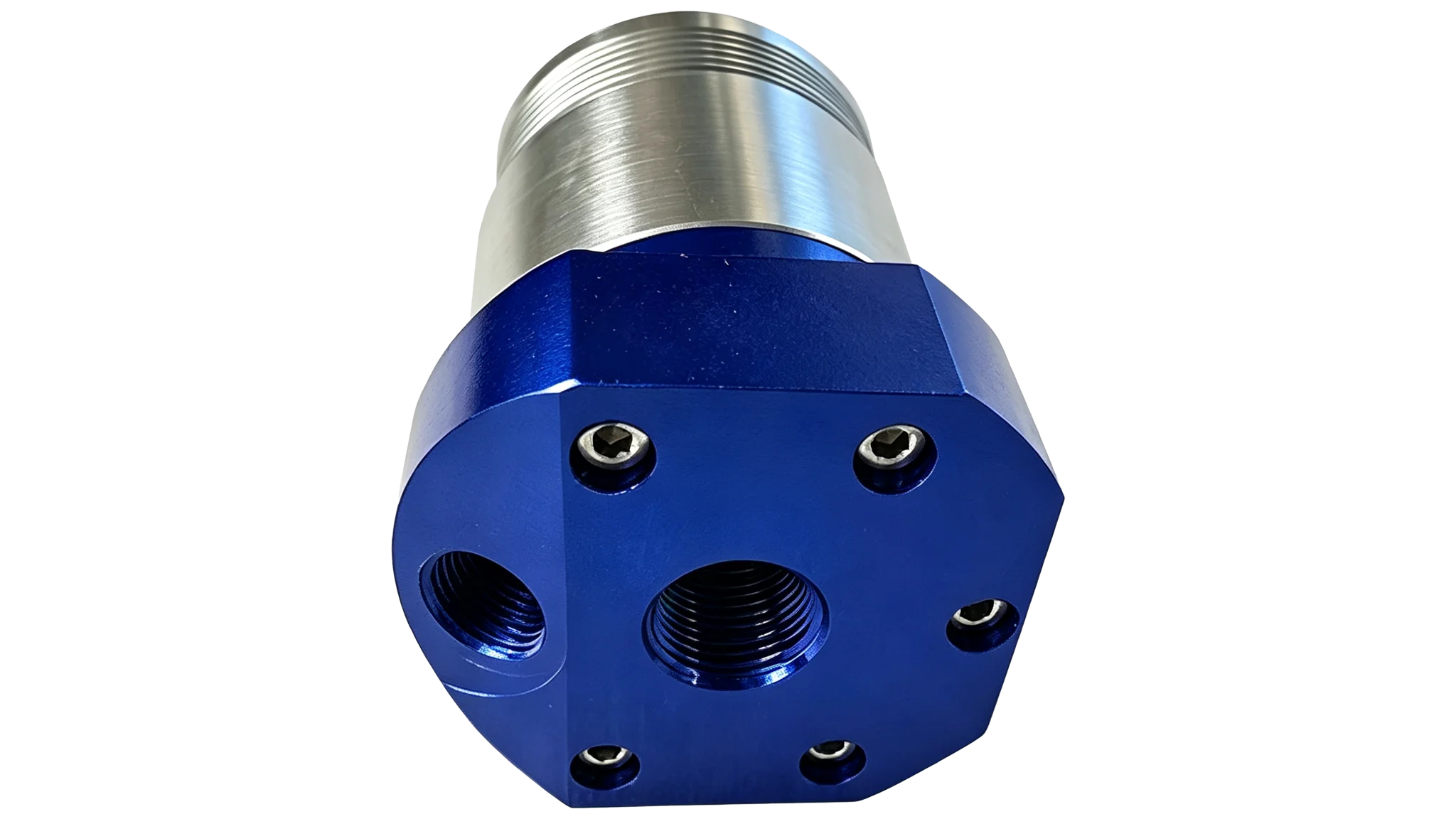
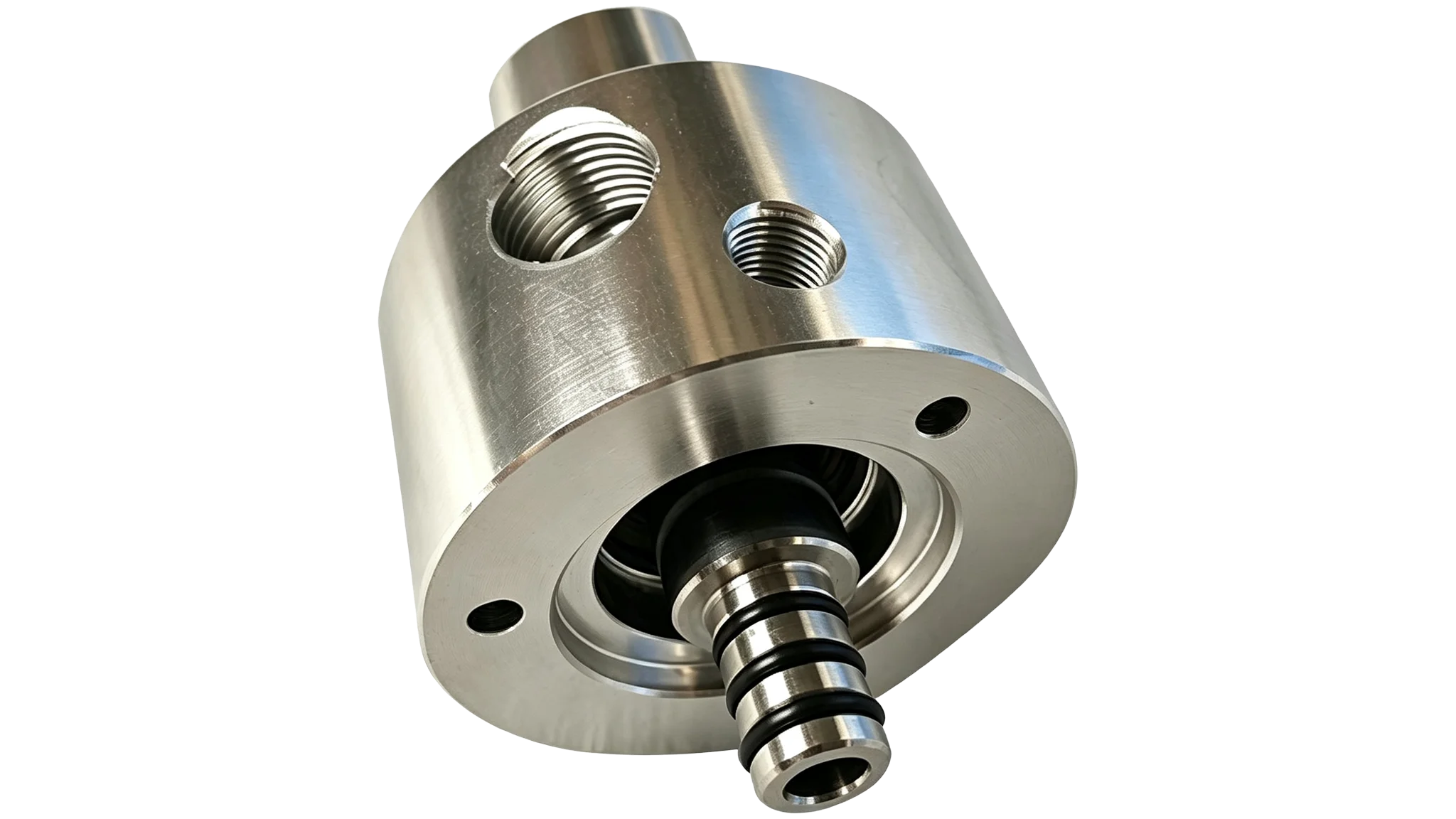
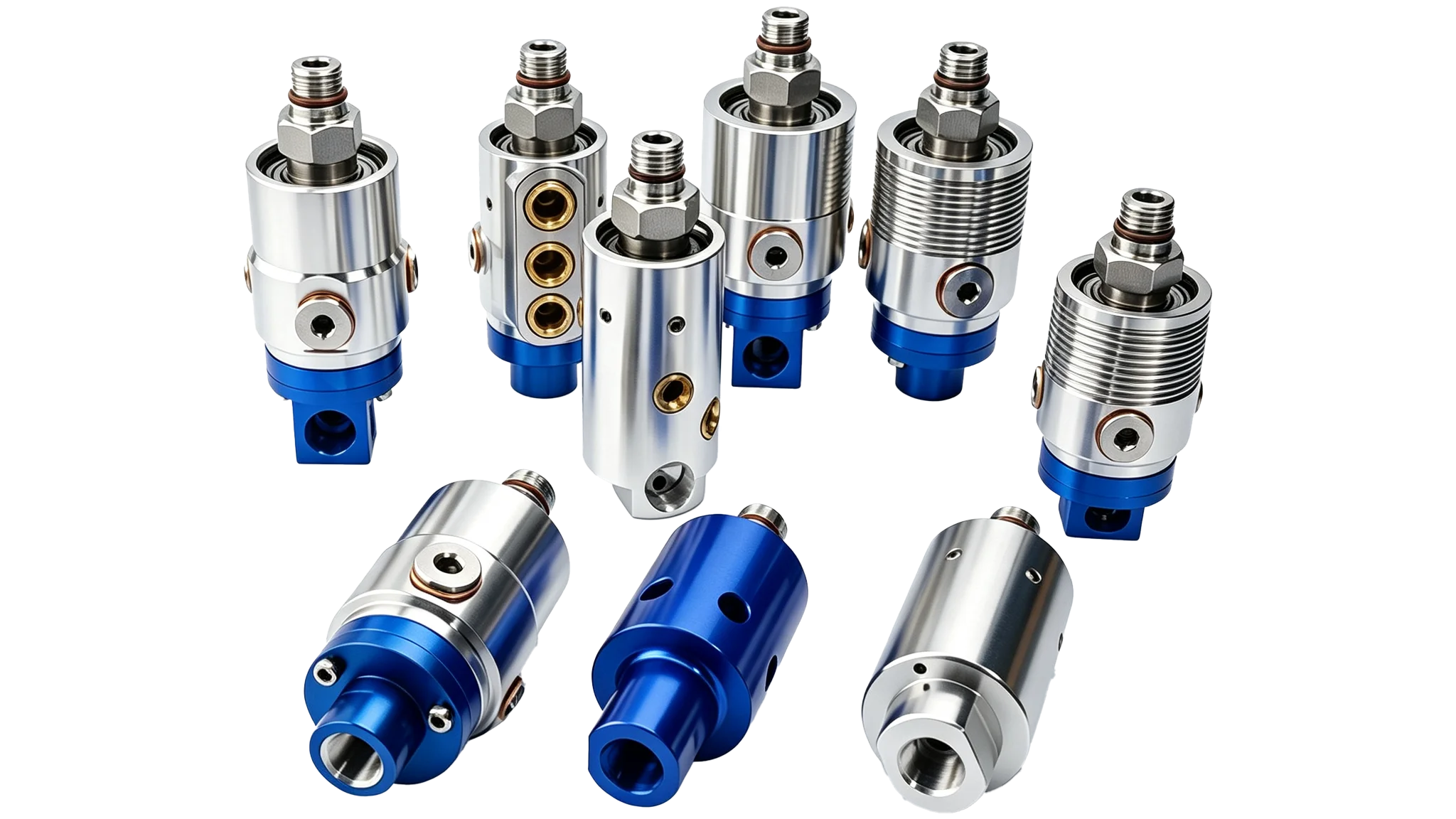
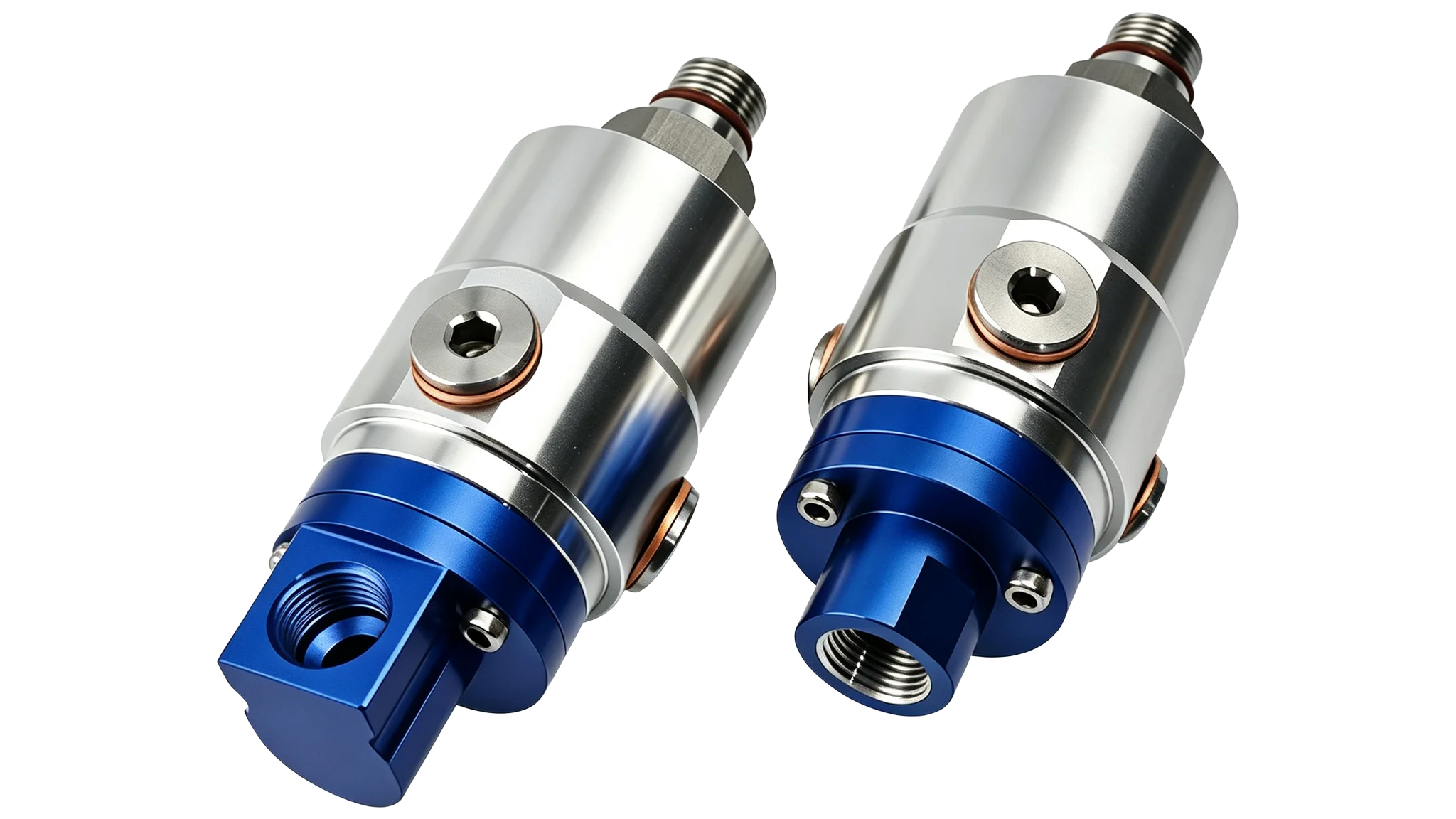
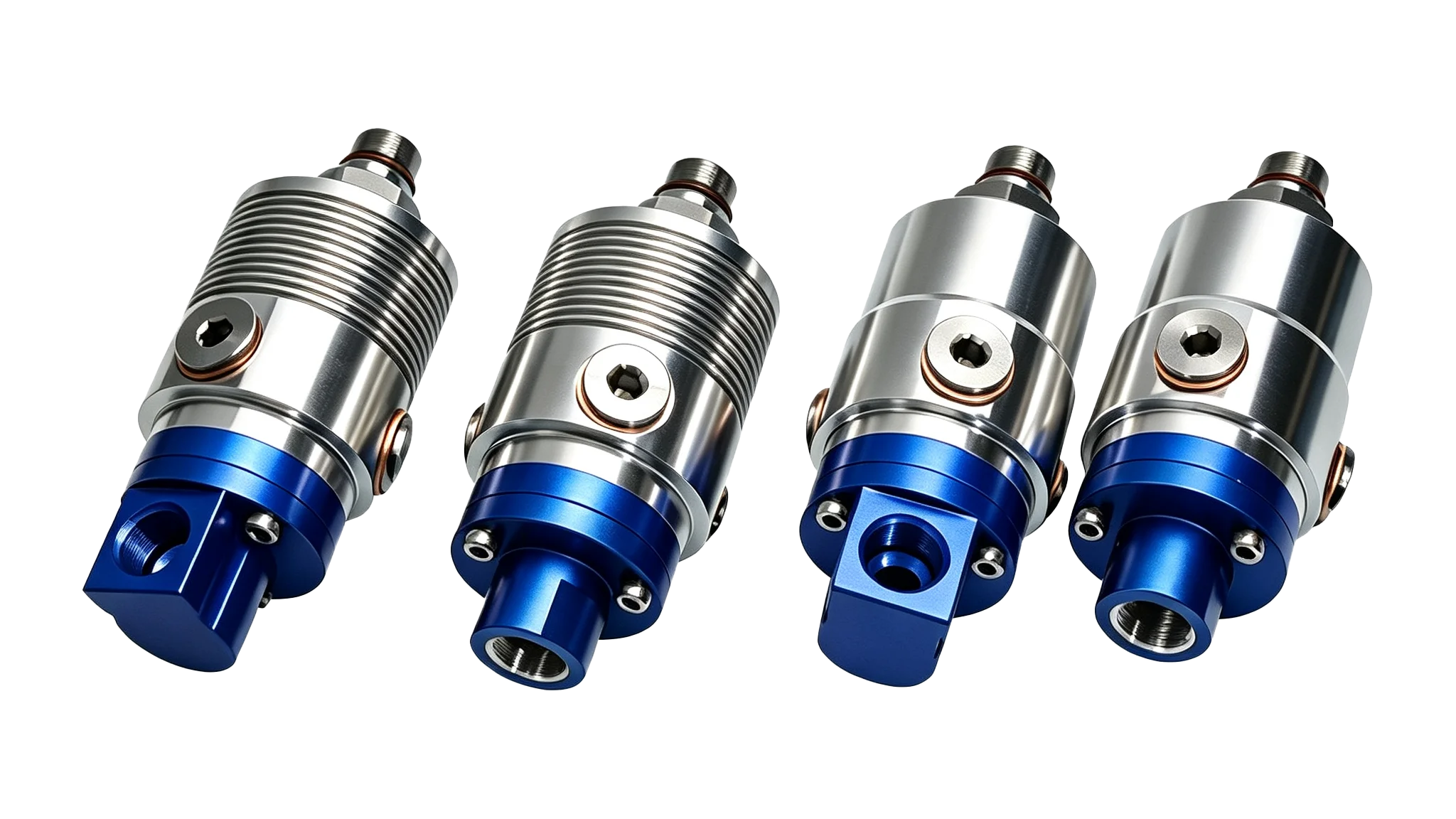
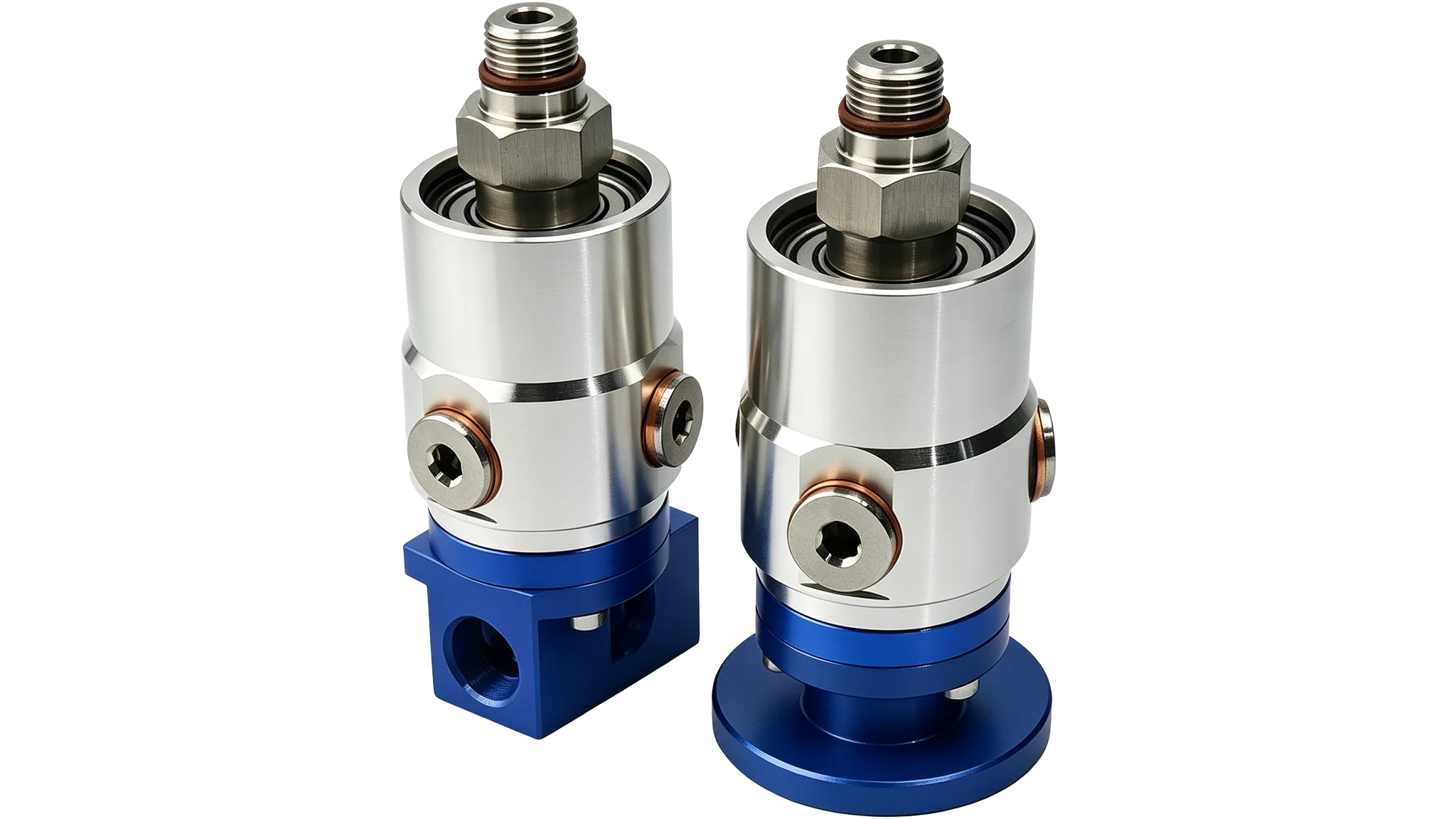
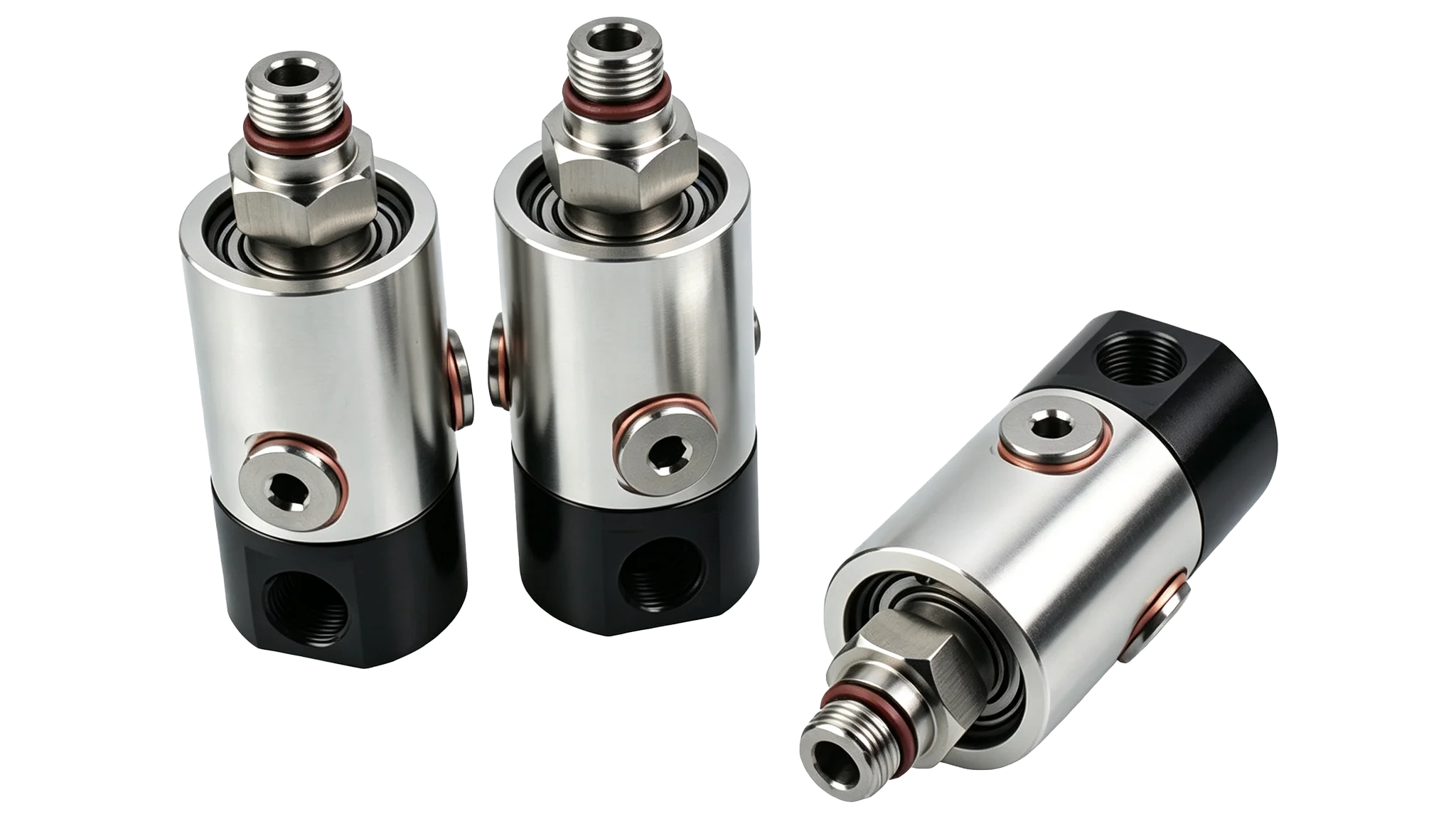
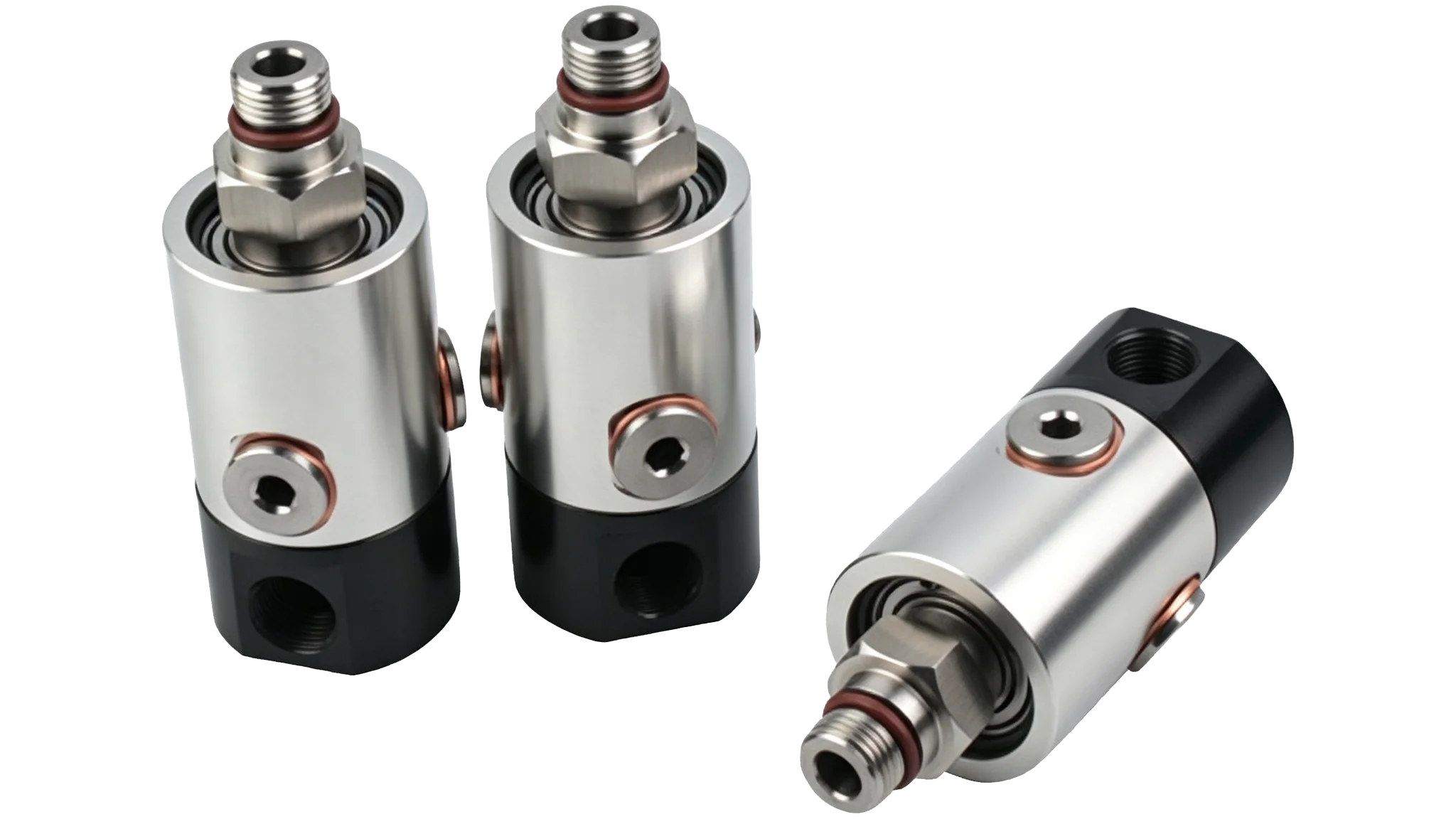
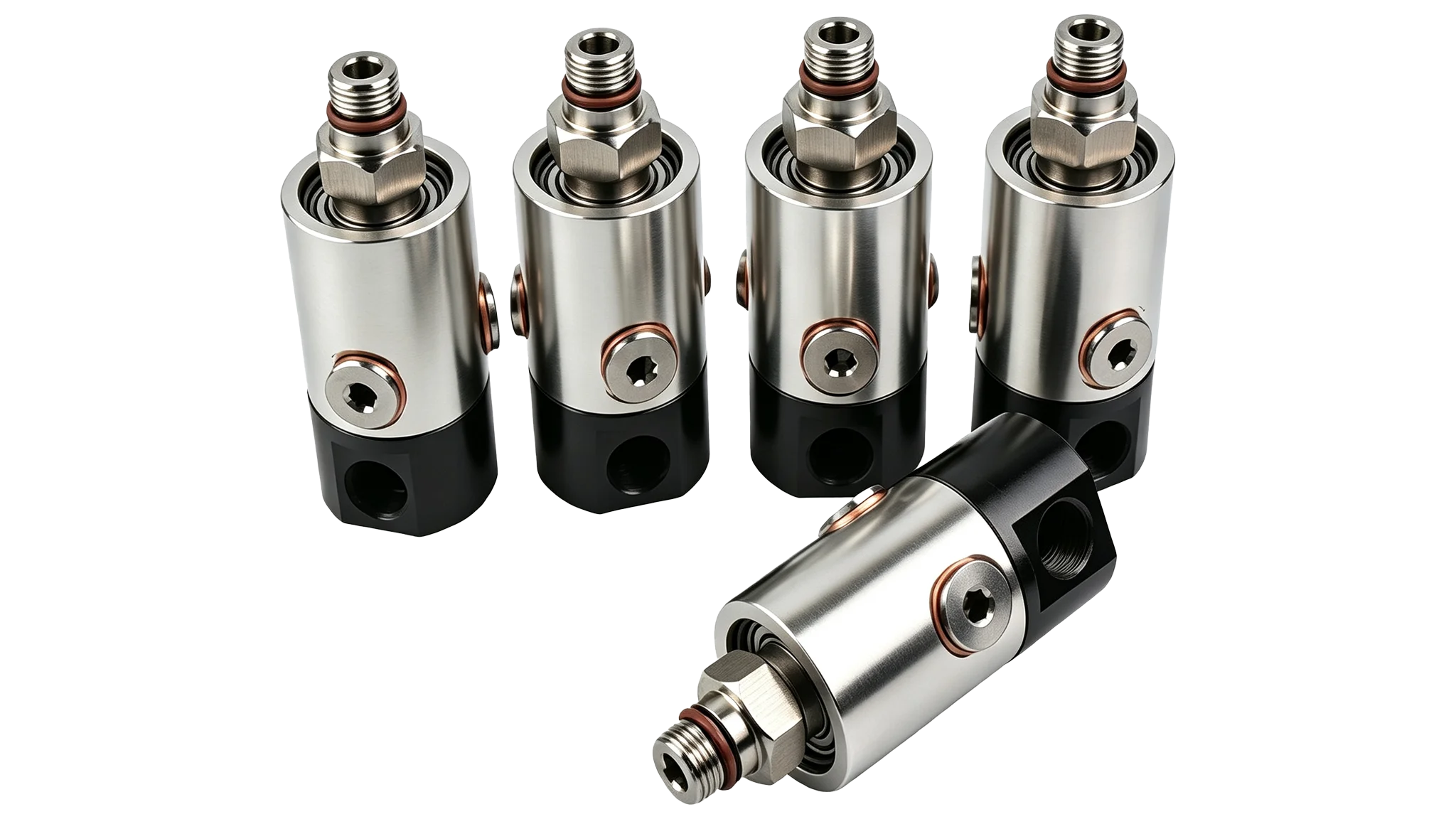
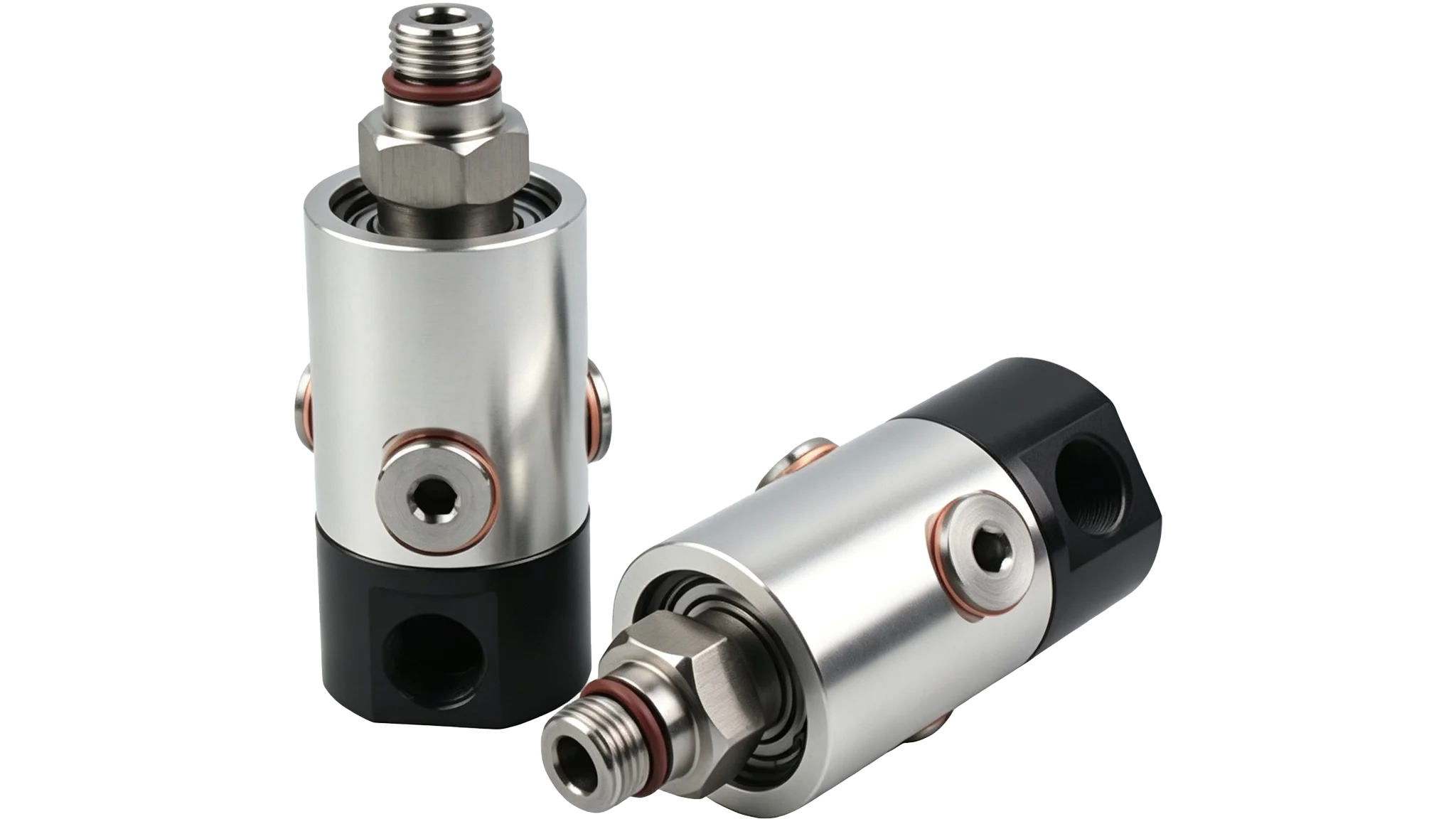
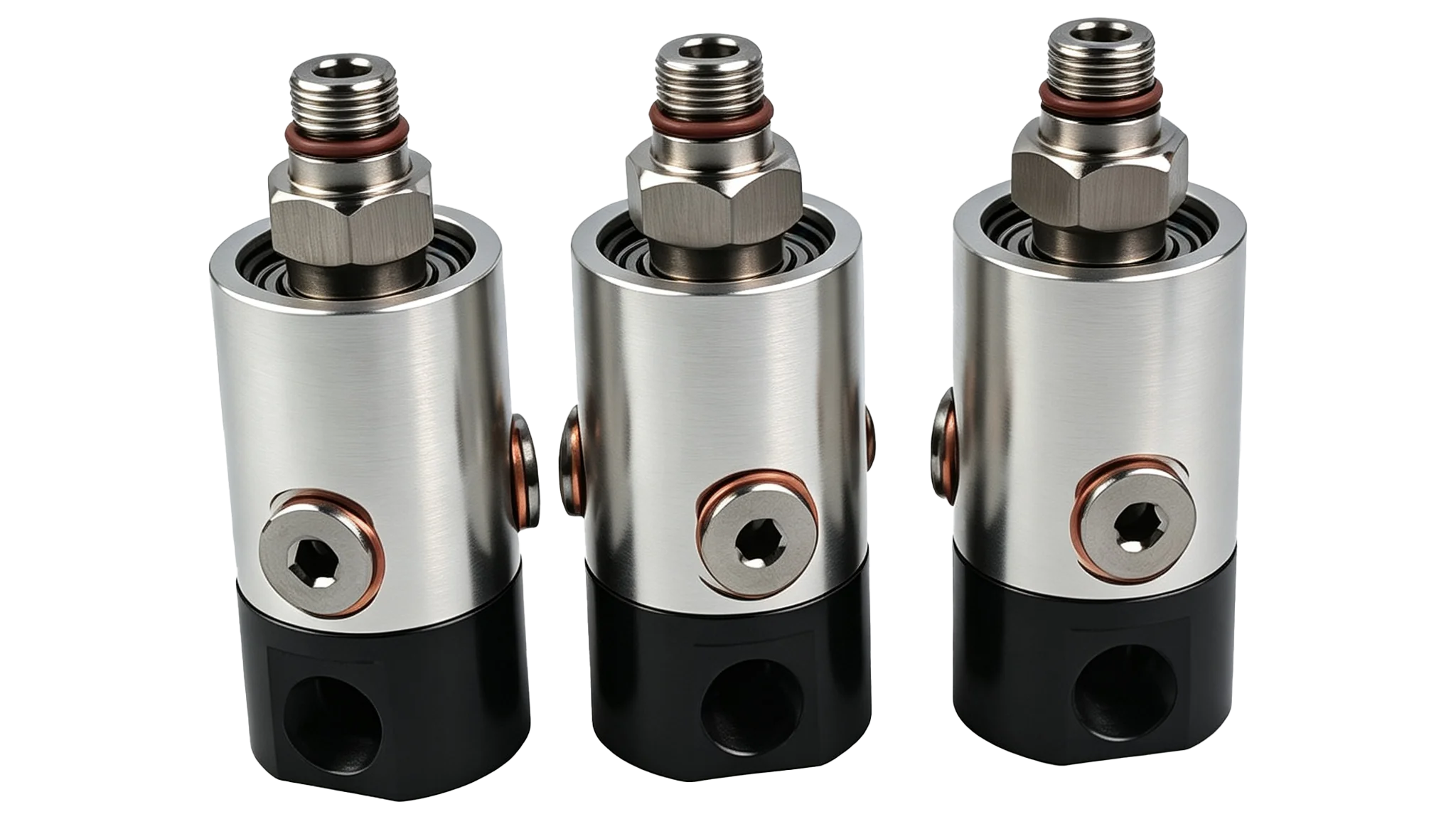
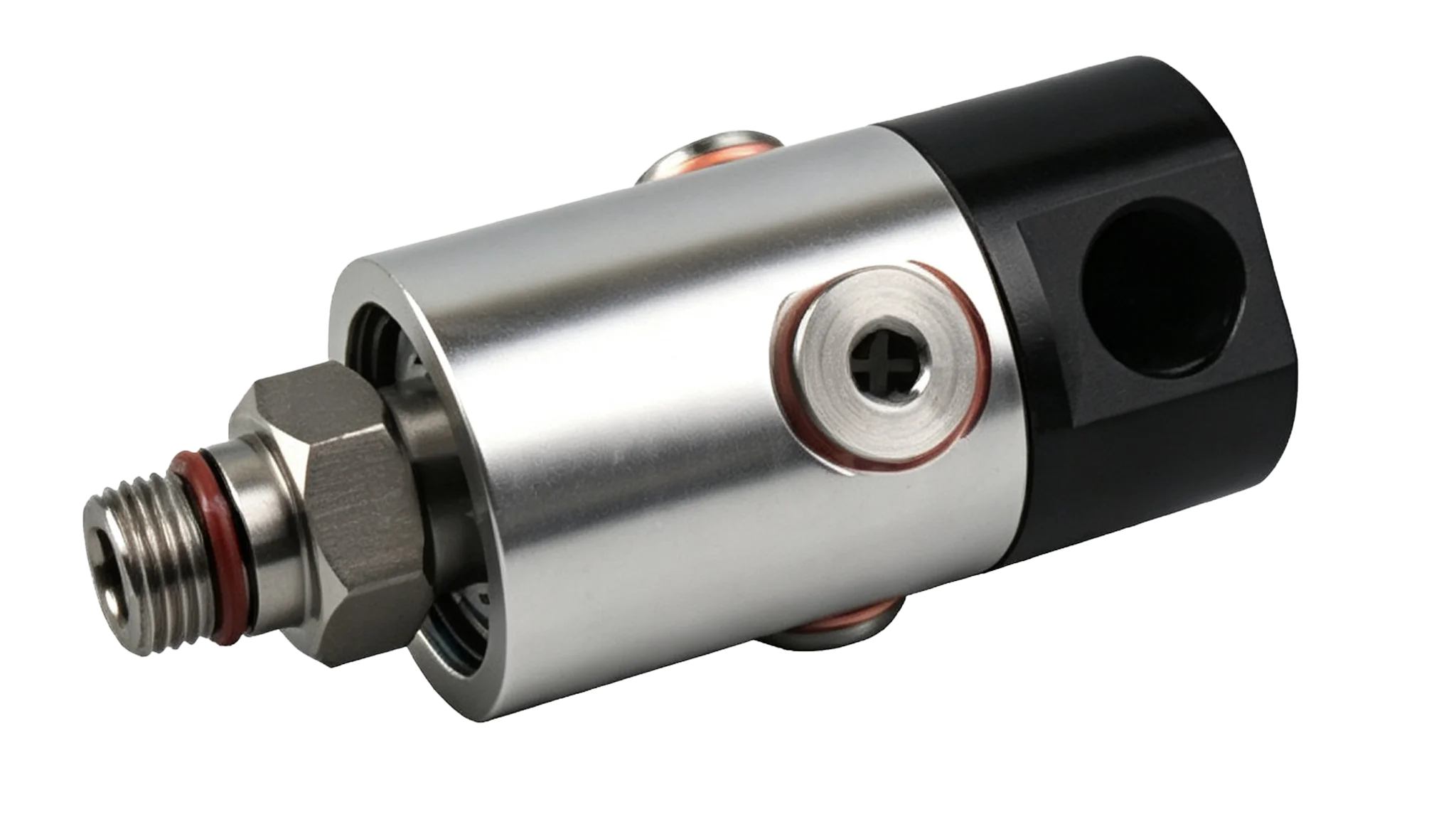
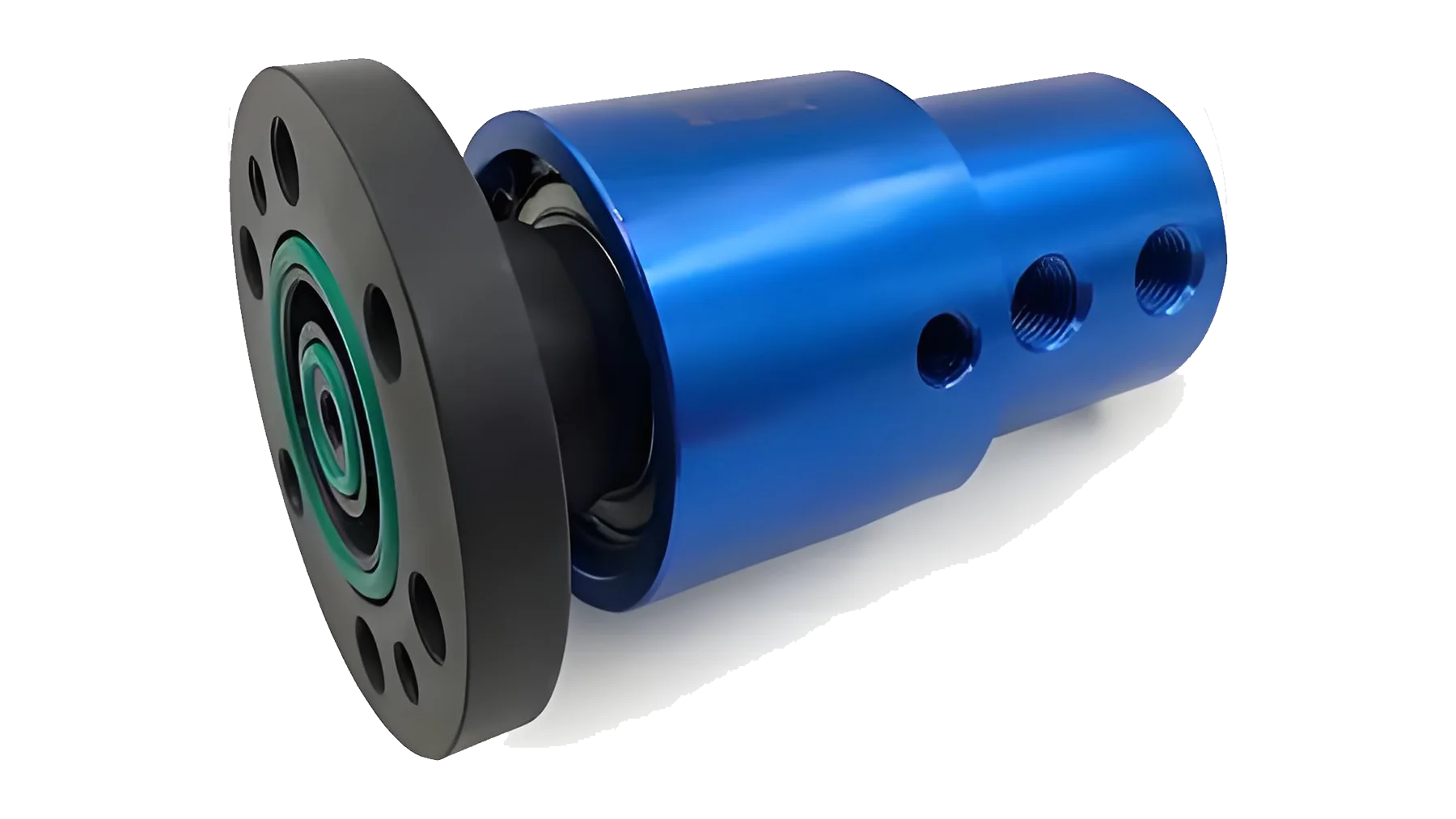
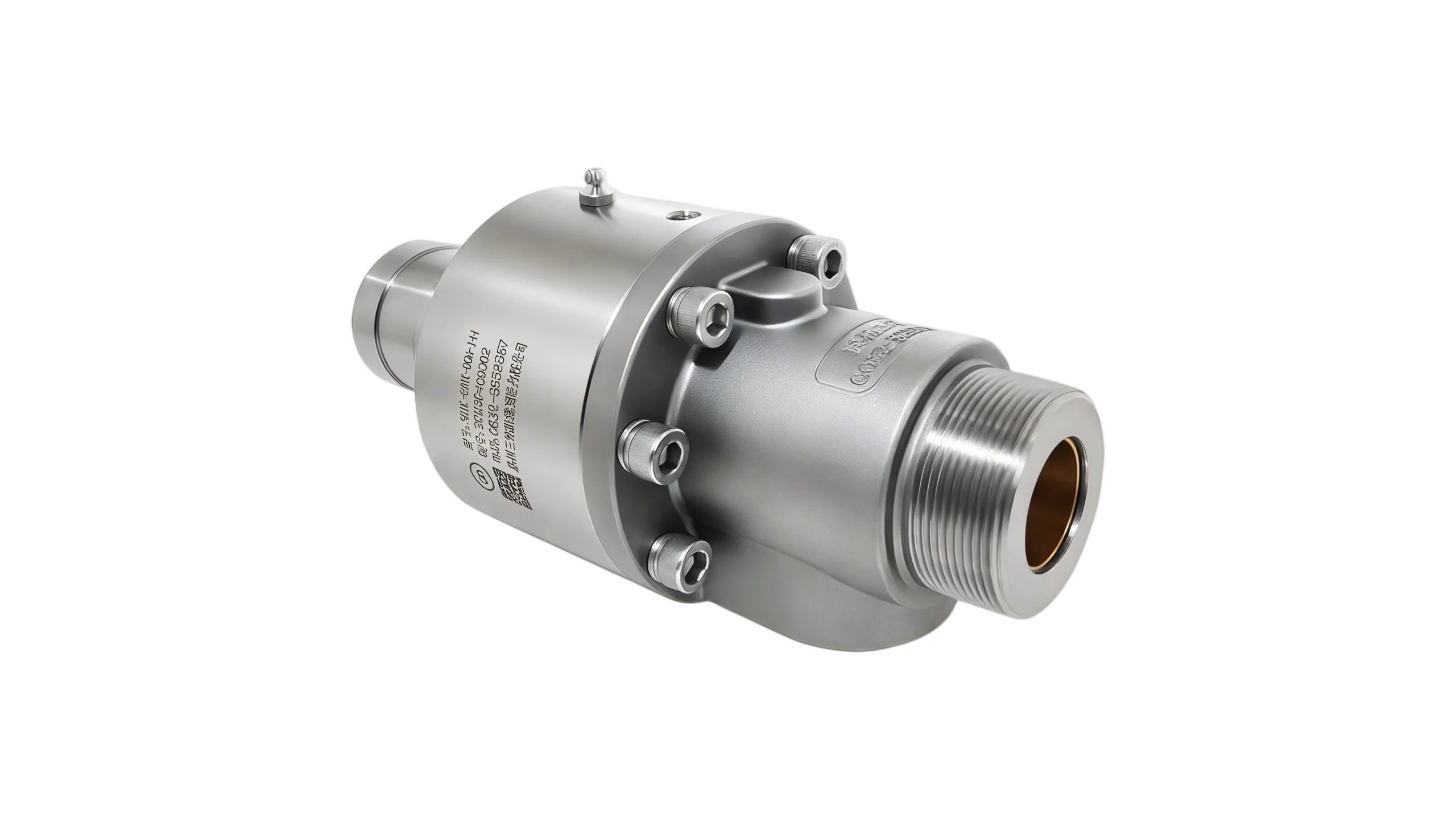
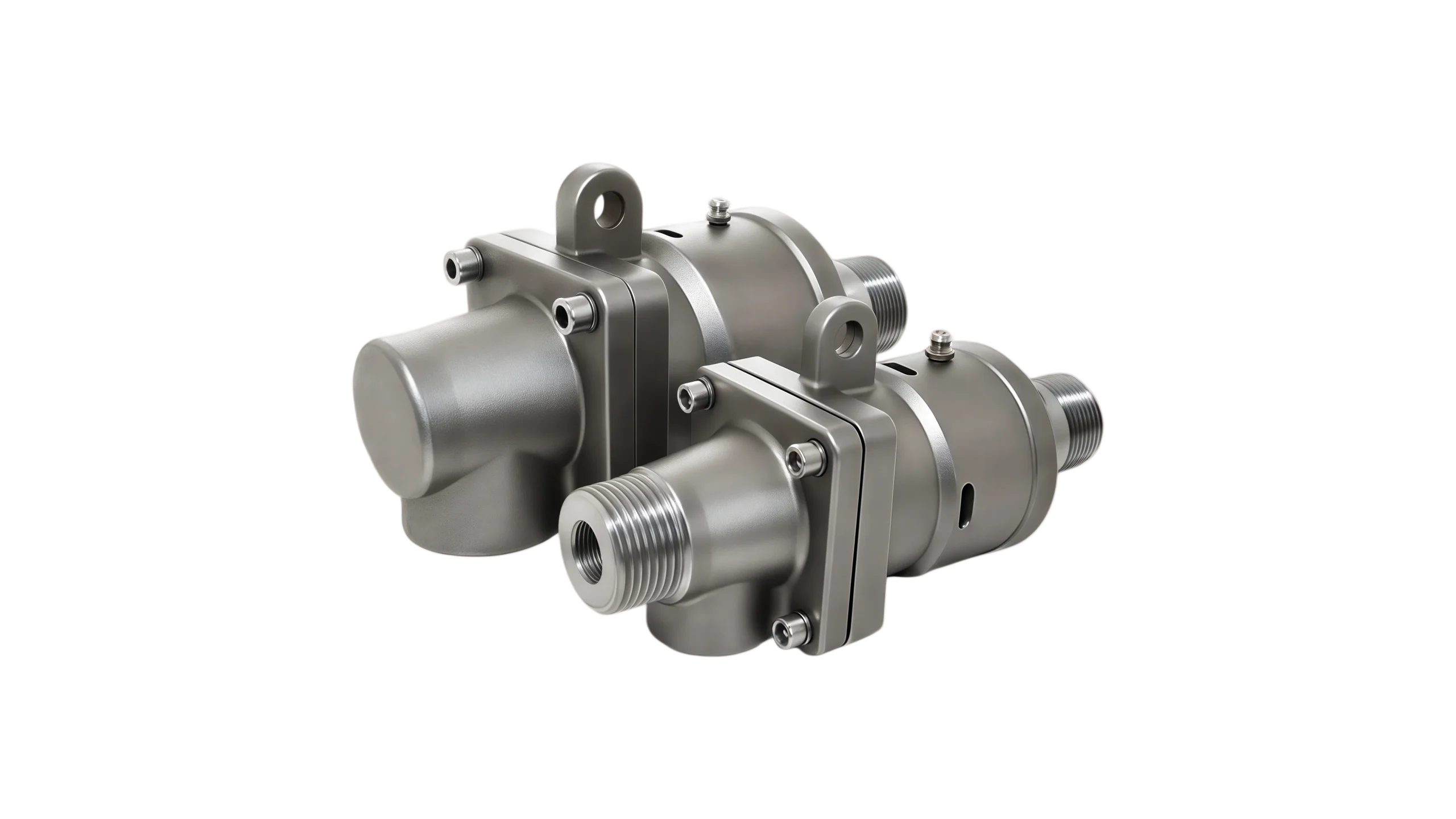
Deep hole drilling high-speed rotary joint is a key fluid dynamic sealing device designed specifically for deep hole machining machines such as gun drills, BTA drills, spray suction drills, etc. Its core function is to transfer high-pressure coolant or hydraulic oil from a stationary pipeline system to the rotating drill rod without leakage while the spindle rotates at high speed, in order to achieve chip removal, cooling, and lubrication, ensuring the accuracy and efficiency of deep hole machining
Structural Description
Single channel for coolant or MQL
Technology allows unlimited dry operation without medium pressure
Full flow design, unobstructed passage, avoiding residual impurities
The threaded rotor supported by bearings is easy to install
Double angle contact ball bearing
Maze structure and multiple large leakage ports to protect ball bearings
The balanced mechanical seal uses silicon carbide, which has a long service life, even under harsh operating conditions
Anodized aluminum shell for corrosion resistance
Product Description:
1. Maze style sealed box drainage can also protect bearings
2. High precision bearings operate stably without vibration
3. Hardened stainless steel rotor
4. Stainless steel springs installed outside the fluid
5. Excellent balanced sealing ensures low friction
6. The shell is made of aluminum alloy
7. Wear resistant, heat-resistant, and impact resistant tungsten carbide cover
Intended use:
The rotating joints of the 902, 903, 1109, 1110, 1111, 1121, 1151, and 1129 series are designed to provide cooling lubricant to rotating tools. During periods of stillness, compressed air can usually be used
The tool fixing area for removing chips. Rotating joint design for operation at ambient temperature
Temperature and medium temperature range from 3 ° C to 3 ° C; C to high. 70° C。
Definition of media:
Coolant‐ It is a lotion composed of water and oil-based additives
Cutting oil
MQL – Minor lubrication
For information on the working parameters and dimensions of rotary joints, please refer to
Catalog or model specific installation diagram.
The specified rotating joint design is used for non explosive environments and non flammable materials
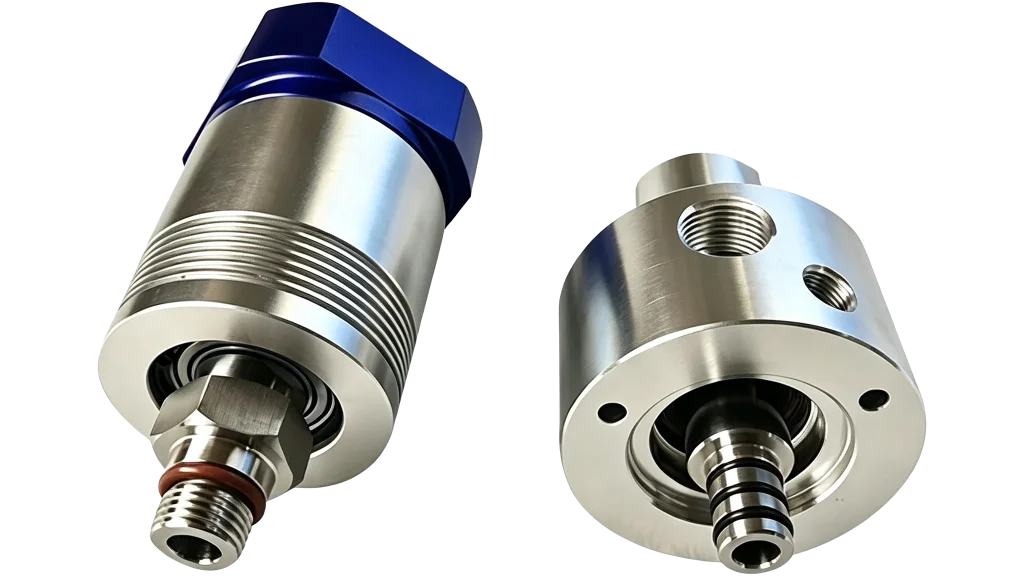
Precision manufacturing pushes the boundaries of what is mechanically possible, especially when creating cavities with extreme depth-to-diameter ratios. In the world of advanced machining, deep hole drilling stands out as a highly specialized process requiring exact tolerances, specialized equipment, and flawless thermal management. At the heart of this complex operation is a seemingly modest but absolutely vital component: the deep hole drilling high-speed rotary joint.
Often referred to as a rotary union or coolant swivel, this precision device is responsible for transferring pressurized fluid from a stationary supply line into a rotating spindle. Without it, modern drilling operations would quickly succumb to catastrophic heat and chip packing.
Whether you are configuring a new deep hole drilling machine or optimizing an existing setup, understanding the nuances of fluid transfer technology is the key to maximizing tool life and part quality. Let’s dive into the mechanics, selection, and maintenance of these critical components.
Unlike standard shallow drilling, deep hole drilling involves depth-to-diameter ratios of 10:1 up to 400:1. Operating at these extremes requires specific deep hole drilling tools, such as gundrills or BTA (Boring and Trepanning Association) drills. These tools feature internal channels that deliver coolant directly to the cutting edge.
If you have ever asked yourself, why is coolant pressure critical in deep hole drilling? the answer boils down to two main factors: temperature control and chip evacuation. As the drill cuts into the metal, it generates intense heat. High-pressure coolant blasts this heat away, preventing the tool from welding to the workpiece. Simultaneously, the fluid acts as a hydraulic ram, forcing metal chips away from the cutting face and flushing them out through the tool’s V-flute or internal tube.
To achieve this, the fluid must cross from a stationary pump into a spindle rotating at thousands of revolutions per minute. This is exactly where the rotary joint comes in. A high pressure coolant union for gundrilling, for example, is engineered to withstand pressures exceeding 1,500 PSI (100 bar) while spinning at 10,000 RPM or more, all without leaking a single drop.
Not all rotary joints are created equal. Pushing fluid at extreme pressures through high-speed rotating equipment requires innovative engineering. When analyzing rotary joint performance, several design elements dictate how well the unit will survive in a harsh machining environment.
The core of any rotary union is its sealing mechanism. When comparing a mechanical seal vs hydrostatic seal for deep drilling, engineers must weigh friction against leakage.
Coolant is rarely pristine. As fluid recirculates, it picks up microscopic metal fines. Therefore, relying on standard seal materials will lead to rapid degradation. Modern joints utilize silicon carbide seal faces for abrasive coolants. Silicon carbide is almost as hard as diamond, meaning it can crush rogue metal particles without sustaining scratches that would otherwise cause leaks.
In addition to the seals, the bearings supporting the rotating shaft must handle intense mechanical loads. The adoption of ceramic hybrid bearings for high speed rotary joints has revolutionized the industry. These bearings use steel races with ceramic balls, which are lighter, harder, and generate significantly less friction than traditional steel balls.
High speeds inherently generate heat and vibration, both of which are enemies of precision machining. A balanced seal design for vibration reduction ensures that the rotary union spins concentrically, preventing premature bearing failure and minimizing chatter at the cutting tool.
Furthermore, reducing thermal expansion in high speed spindles is vital for maintaining tight geometric tolerances. By utilizing low-friction seals and ceramic bearings, operators can achieve low torque high speed union performance. Less torque means less mechanical friction, which translates directly into lower operating temperatures and improved spindle longevity.
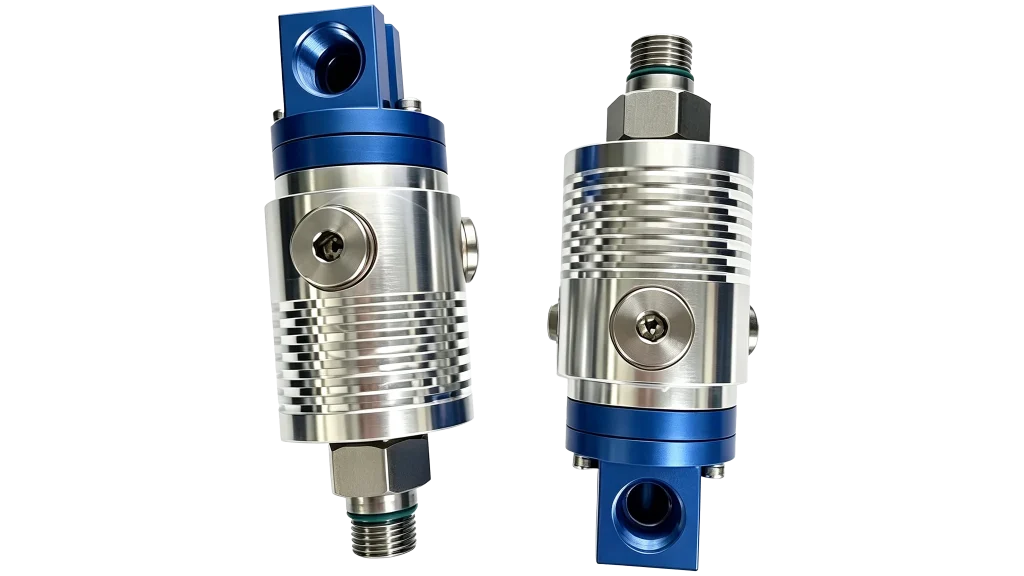
Different deep hole operations demand unique joint configurations. The two primary methods—gundrilling and BTA drilling—each handle fluid transfer differently.
While gundrilling pumps fluid through the tool’s center and flushes chips out the outside, BTA drilling pumps fluid around the outside of the tool tube and flushes chips through the center. Because BTA tools are generally larger, specialized rotary unions for BTA drilling machines are designed with larger internal flow channels to accommodate massive fluid volumes at slightly lower pressures.
While high-pressure flood coolant is traditional, environmental and economic pressures are shifting the industry toward alternative lubrication methods.
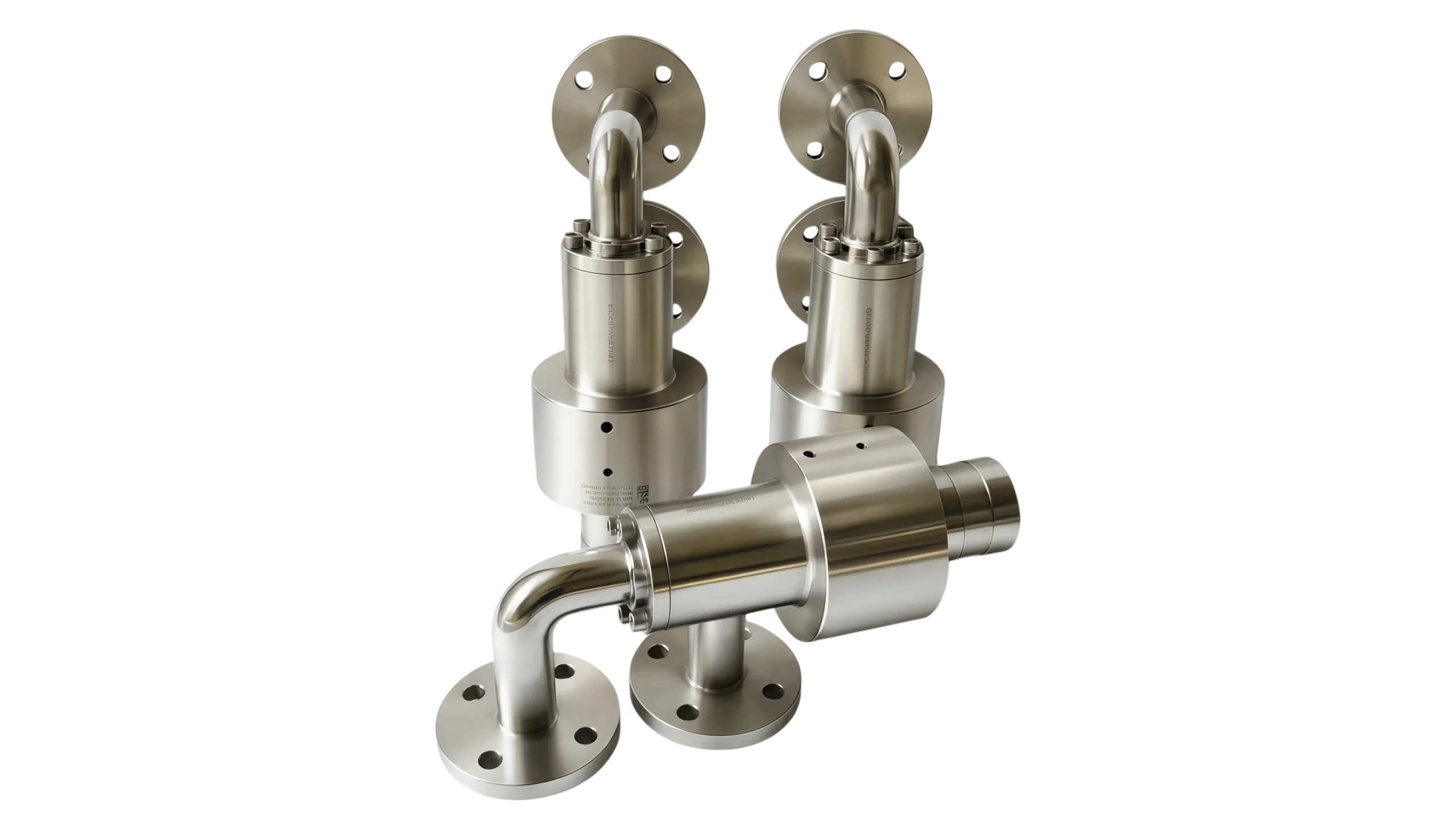
A rotary joint is a sealing device that connects stationary pipelines and rotating equipment, achieving leak free fluid transmission under 360 ° rotation. It allows fluid media to flow smoothly between fixed pipelines and rotating machines, and is a key component in industrial equipment
F90 swivel unions Transporting equipment components from a fixed pipeline system to high-speed rotating or reciprocating motion
Q32 swivel unions
JD40 rotary joint is a key sealing component in industrial fluid transmission systems, usually referring to a rotary connection device with a diameter of DN40 (or corresponding British caliber). As a transitional sealing device that transports fluid media (such as water, steam, hydraulic oil, thermal oil, compressed air, etc.) from static pipelines to dynamic rotating or swinging equipment